Introduction
Energy is the foundation of every successful business. In Pakistan, unpredictable power outages and rising electricity costs have forced many companies to seek alternative energy solutions. One of the most effective options today is commercial solar installation in Pakistan.
Businesses across major cities are now adopting large-scale systems like 10 kW solar in Karachi, 20 kW solar in Lahore, or even 100 kW solar in Karachi & Lahore for their commercial and industrial needs. These systems not only reduce operating expenses but also ensure a stable power supply, helping businesses stay productive and sustainable.
What Is Commercial Solar Installation
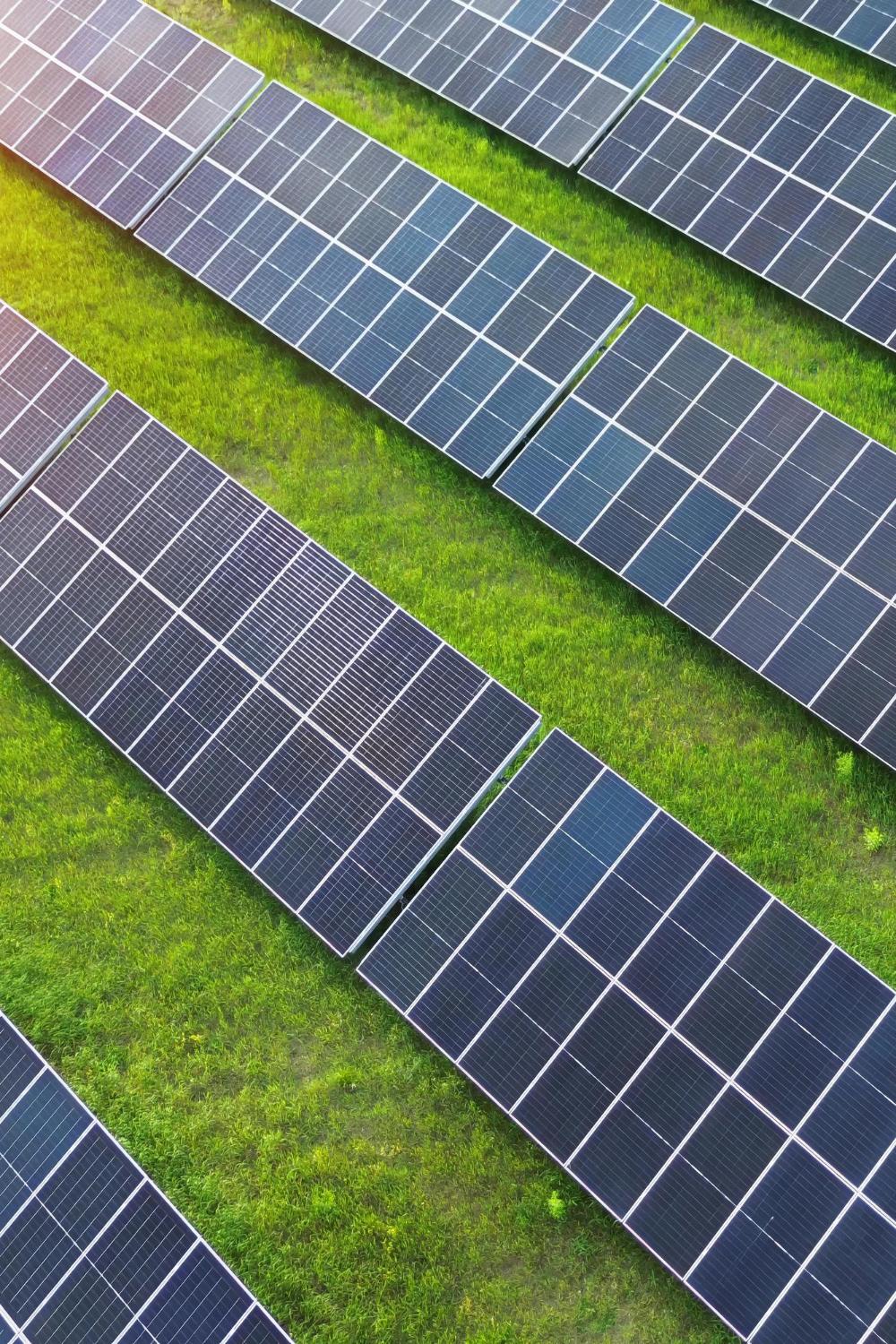
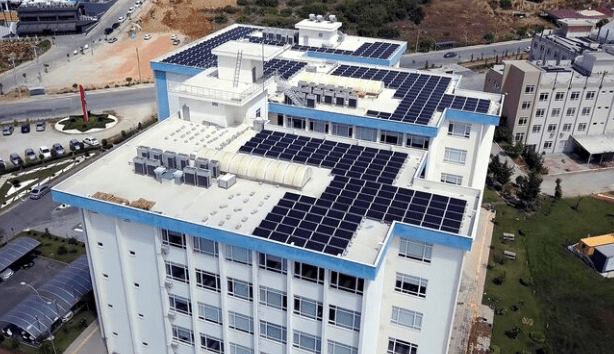
A commercial solar installation is a customized solar power setup designed for businesses, factories, and industries. It typically includes solar panels, inverters, and sometimes battery storage, all working together to generate electricity directly from sunlight.
For large operations, systems like 25 kW solar in Lahore or 50 kW solar in Karachi & Lahore are commonly used. Industrial facilities often invest in even larger setups such as 100 kW solar in Karachi & Lahore or 1 MW solar for industry to meet their continuous energy requirements.
Growing Need for Solar Energy in Business Operations
Pakistan’s industrial and commercial sectors face frequent power disruptions and increasing electricity tariffs. Dependence on grid power and diesel generators has become expensive and unsustainable.
By investing in solar for factory or solar for industry systems, businesses can reduce energy costs significantly. For instance, a 20 kW solar in Karachi system can cover the daytime energy needs of a medium-sized office or retail outlet, while a 1 MW solar for industry setup can power large-scale production facilities efficiently.
Key Benefits of Commercial Solar Installations
1. Major Cost Savings
One of the most attractive reasons for investing in commercial solar systems is the immediate reduction in electricity expenses. Businesses with 10 kW solar in Lahore or 25 kW solar in Karachi installations can lower their energy bills by up to 70 percent, depending on usage patterns and available sunlight.
Larger setups like 100 kW solar in Lahore deliver even greater savings for industries that consume substantial amounts of power daily.
2. Reliable and Continuous Power Supply
Frequent power outages in Pakistan often interrupt business activities and reduce productivity. Solar installations, especially when paired with hybrid technology, provide an uninterrupted energy source.
Factories using industrial solar setups like 100 kW solar in Karachi & Lahore can keep their machines running even during grid failures. This reliability improves production efficiency and reduces downtime losses.
3. Energy Independence
Businesses that rely on the grid are always vulnerable to power cuts and fluctuating energy prices. A commercial solar installation in Pakistan allows companies to produce their own electricity, gaining independence from grid issues.
A 50 kW solar in Karachi & Lahore system can supply enough power for offices, showrooms, or small factories, helping them become self-sufficient and secure against rising electricity costs.
4. Environmental Sustainability
Corporate responsibility and sustainability are becoming essential for modern businesses. Investing in solar for factory or solar for industry systems reduces carbon emissions and helps protect the environment.
By choosing clean energy solutions like 20 kW solar in Lahore or 1 MW solar for industry, companies demonstrate their commitment to a greener future. This also improves their brand reputation and aligns with global sustainability goals.
5. Excellent Return on Investment
Solar energy is one of the few investments that offers guaranteed returns over time. The payback period for commercial systems is typically between three to five years, after which businesses enjoy nearly free electricity for many years.
A 25 kW solar in Karachi installation, for example, can pay for itself in just a few years, while a 100 kW solar in Lahore system can generate long-term profits by reducing operational costs for decades.
Why Industrial Units Prefer Solar Energy
Industries in Pakistan are energy-intensive and need continuous power to maintain operations. Load shedding and fluctuating grid voltage can damage machinery and cause production delays.
To solve this, many factories have switched to industrial solar systems. A 1 MW solar for industry setup can power large manufacturing lines, cold storage units, or textile mills. Similarly, 100 kW solar in Karachi & Lahore is ideal for medium-sized production facilities looking to stabilize their energy supply and cut down expenses.
The Role of Net Metering in Business Savings
Net metering is another key reason why businesses are rapidly adopting solar energy. It allows companies to send excess solar electricity to the national grid and receive credits on their bills.
For example, a business with 20 kW solar in Karachi can generate surplus energy during the day, which can then offset their evening power use. Larger setups like 50 kW solar in Lahore or 100 kW solar in Karachi & Lahore maximize these benefits, turning solar power into a profitable investment rather than just a cost-saving measure.
Government Support and Incentives
The government of Pakistan has introduced policies that encourage renewable energy adoption. Businesses that invest in commercial solar installation in Pakistan can benefit from tax advantages and net metering programs.
These policies make it easier for companies to install solar for industry systems like 25 kW solar in Lahore or 1 MW solar for industry, helping them recover their investment faster while contributing to national energy stability.
Future of Commercial Solar in Pakistan
The commercial solar sector in Pakistan is expanding rapidly. As technology improves and prices of solar panels and inverters continue to fall, more businesses are finding solar energy a practical and affordable solution.
Cities like Karachi and Lahore are leading the transition, with companies installing 10 kW solar in Karachi, 20 kW solar in Lahore, and even 100 kW solar in Karachi & Lahore systems. These large-scale installations are setting an example for others to follow and moving the country toward a sustainable energy future.
Common Myths About Solar for Businesses
Many businesses hesitate to adopt solar energy due to misconceptions. Some believe solar systems cannot work effectively during cloudy weather or that maintenance is expensive. In reality, modern systems are highly efficient and designed to perform year-round.
Another myth is that solar panels require daily cleaning or frequent replacement. In truth, commercial setups like 50 kW solar in Karachi & Lahore or 100 kW solar in Lahore are low-maintenance and can last for over 25 years with minimal care.
Conclusion
Switching to solar power is no longer a luxury for businesses in Pakistan; it is a necessity for long-term growth and stability. A commercial solar installation in Pakistan allows companies to cut costs, gain energy independence, and contribute to environmental sustainability.
From 10 kW solar in Lahore for offices to 1 MW solar for industry for large factories, solar systems are proving to be one of the smartest investments any business can make.
As energy challenges continue to grow, solar power stands out as a reliable and profitable solution for Pakistan’s commercial and industrial future.