
Introduction
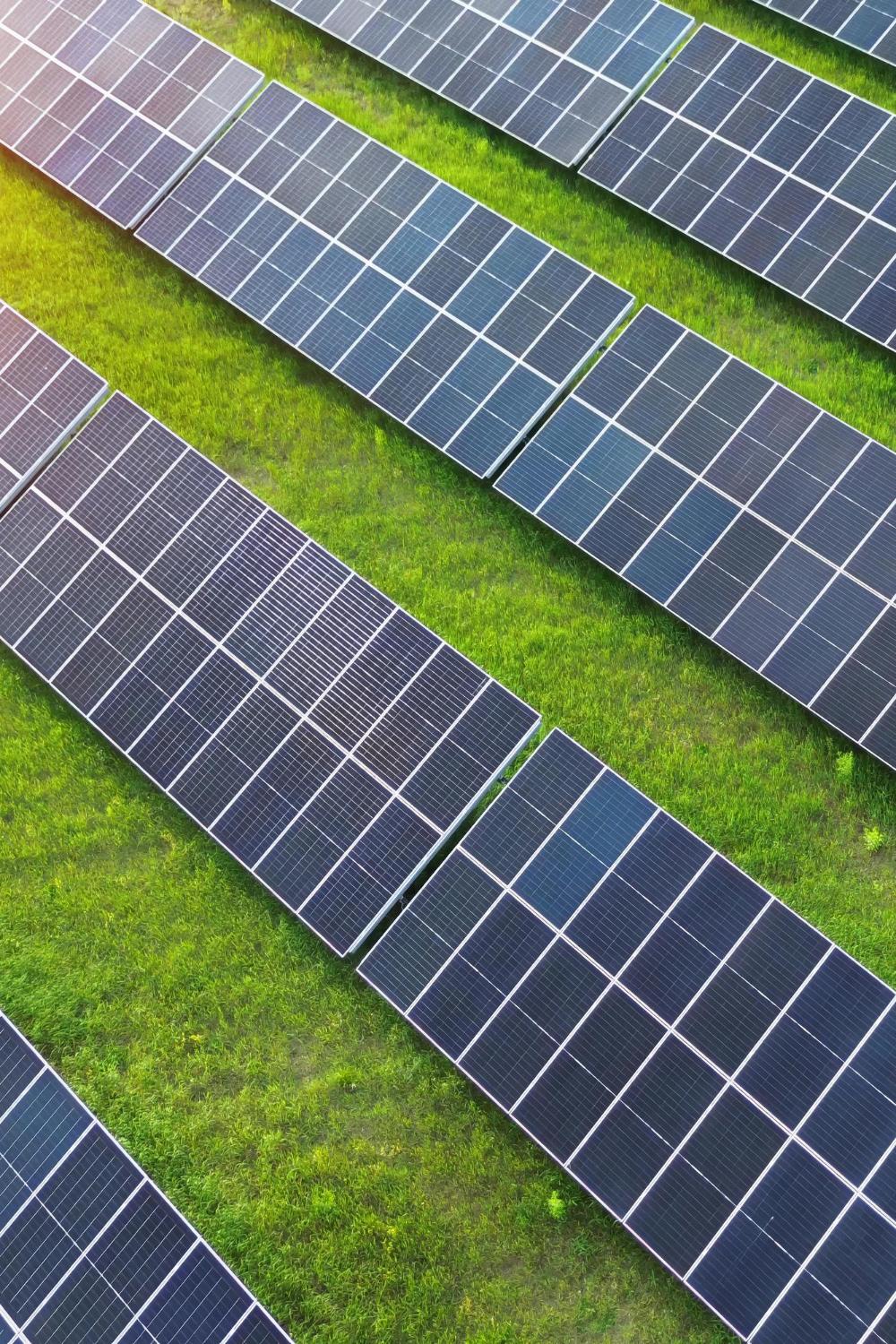
Electricity is one of the largest expenses for industrial operations in Pakistan. Rising tariffs, fuel shortages, and frequent power outages continue to affect the performance of factories and production units. To overcome these challenges, many companies are turning toward solar for industry and industrial solar solutions.
By installing large-scale systems such as 50 kW solar in Karachi & Lahore, 100 kW solar in Karachi & Lahore, or even 1 MW solar for industry, factories can generate their own clean power and significantly reduce monthly energy costs. This shift not only improves profitability but also ensures stable and sustainable production.
Energy Challenges Faced by Industrial Units
Industries in Pakistan rely heavily on consistent electricity to operate machinery, lighting, cooling, and other equipment. However, frequent load shedding and rising electricity prices create serious financial and operational challenges.
Factories often use diesel generators as backup, but these are expensive to run and harmful to the environment. With fuel costs increasing, many businesses are finding that switching to solar for factory setups like 100 kW solar in Lahore or 1 MW solar for industry is a much more economical and sustainable choice.
How Solar Energy Helps Lower Operating Costs
Solar power reduces the overall operating costs of industrial units in several ways. It provides a reliable and affordable source of electricity while minimising dependence on the grid or fuel-based generators.
1. Lower Electricity Bills
The biggest advantage of installing industrial solar systems is the dramatic reduction in electricity bills. For example, a 50 kW solar in Karachi & Lahore system can supply a significant portion of a factory’s daily energy needs, cutting monthly expenses by up to 70 percent.
Larger facilities that install 100 kW solar in Karachi & Lahore or 1 MW solar for industry systems can save even more, leading to millions in annual savings.
2. Protection Against Rising Energy Prices
Electricity tariffs in Pakistan have been increasing every year. By generating their own power through solar for industry, businesses protect themselves from future price hikes.
Once a 20 kW solar in Lahore or 25 kW solar in Karachi system is installed, the energy produced is free for decades. This allows industrial units to plan their long-term budgets with more stability and predictability.
3. Reduced Fuel Costs
Industries that rely on diesel generators spend a large portion of their budget on fuel and maintenance. By switching to solar for factory setups like 100 kW solar in Lahore or 1 MW solar for industry, companies can minimize their fuel usage and maintenance expenses.
Solar systems have no moving parts, which means they require minimal upkeep and no fuel to operate. The result is consistent savings every month without any compromise in performance.
4. Improved Productivity and Reliability
Frequent power cuts disrupt production lines, damage machinery, and reduce output. Solar systems provide a stable power source that keeps operations running even during grid failures.
Factories with industrial solar systems such as 50 kW solar in Karachi & Lahore or 100 kW solar in Lahore maintain steady production, meet deadlines, and avoid costly downtime. Reliable power supply directly translates to higher productivity and profit.
Role of Net Metering in Industrial Savings
Net metering is a government-approved mechanism that allows industrial users to send excess solar electricity back to the grid and earn credits on their utility bills.
A factory using 25 kW solar in Karachi or 50 kW solar in Lahore can generate extra electricity during the day and use the credited energy during non-sunny hours. Large industries with 100 kW solar in Karachi & Lahore or 1 MW solar for industry installations benefit even more because their surplus production leads to significant bill reductions.
Through net metering, businesses can make their energy systems not just self-sufficient but also financially rewarding.
Long-Term Financial Benefits
Although the initial investment in solar energy can seem substantial, the long-term financial benefits are remarkable. Solar systems generally pay for themselves within a few years, after which the electricity they generate is almost free.
A 50 kW solar in Karachi & Lahore system typically covers its cost in about four years, while a 100 kW solar in Lahore setup can provide free power for more than two decades afterwards. For large-scale operations, 1 MW solar for industry solutions offer exceptional savings over time, improving both profitability and competitiveness.
Environmental and Corporate Benefits
Modern businesses are also focusing on sustainability and environmental responsibility. By investing in solar for factory or solar for industry, companies contribute to a cleaner and greener environment.
Every industrial solar system reduces carbon emissions, improves the company’s image, and aligns operations with global sustainability goals. Clients and international partners increasingly prefer to work with environmentally conscious businesses, making solar power not only an economic advantage but also a strategic one.
Reliability and Performance of Modern Solar Systems
Today’s solar systems are equipped with advanced technology and built to withstand Pakistan’s climate conditions. High-efficiency panels, smart inverters, and strong mounting structures ensure maximum performance for decades.
Systems like 100 kW solar in Karachi & Lahore or 1 MW solar for industry can deliver consistent energy output even during cloudy weather, ensuring continuous operations year-round. These systems are designed for large power consumption and are capable of meeting industrial-scale energy demands efficiently.
Government Policies Supporting Industrial Solar
The government of Pakistan has introduced various incentives and programs to promote renewable energy adoption. Net metering policies, tax exemptions, and duty reductions on solar equipment have made commercial solar installation in Pakistan more attractive for industries.
With these supportive measures, businesses installing 50 kW solar in Lahore, 100 kW solar in Karachi & Lahore, or 1 MW solar for industry systems can recover their investment more quickly and enjoy greater returns over time.
Future Outlook for Industrial Solar Energy
The future of industrial solar in Pakistan looks extremely promising. As more factories adopt clean energy, the cost of solar equipment continues to decline, making large systems more accessible.
Industrial zones in Karachi and Lahore are witnessing rapid installations of 100 kW solar in Lahore, 50 kW solar in Karachi & Lahore, and even 1 MW solar for industry solutions. These developments indicate a major shift toward energy independence and long-term cost control for the manufacturing sector.
Conclusion
Energy costs remain one of the biggest challenges for Pakistan’s industrial sector. However, solar power provides an effective and lasting solution. By investing in solar for industry or solar for factory systems, businesses can reduce their operational expenses, gain energy independence, and support environmental sustainability.
Whether it is a 50 kW solar in Karachi & Lahore, a 100 kW solar in Lahore, or a 1 MW solar for industry, each system represents a powerful step toward reducing costs and securing a brighter energy future.
Switching to solar power is not just a financial decision but a strategic investment that ensures stability, reliability, and growth for every industrial unit in Pakistan.