
Introduction
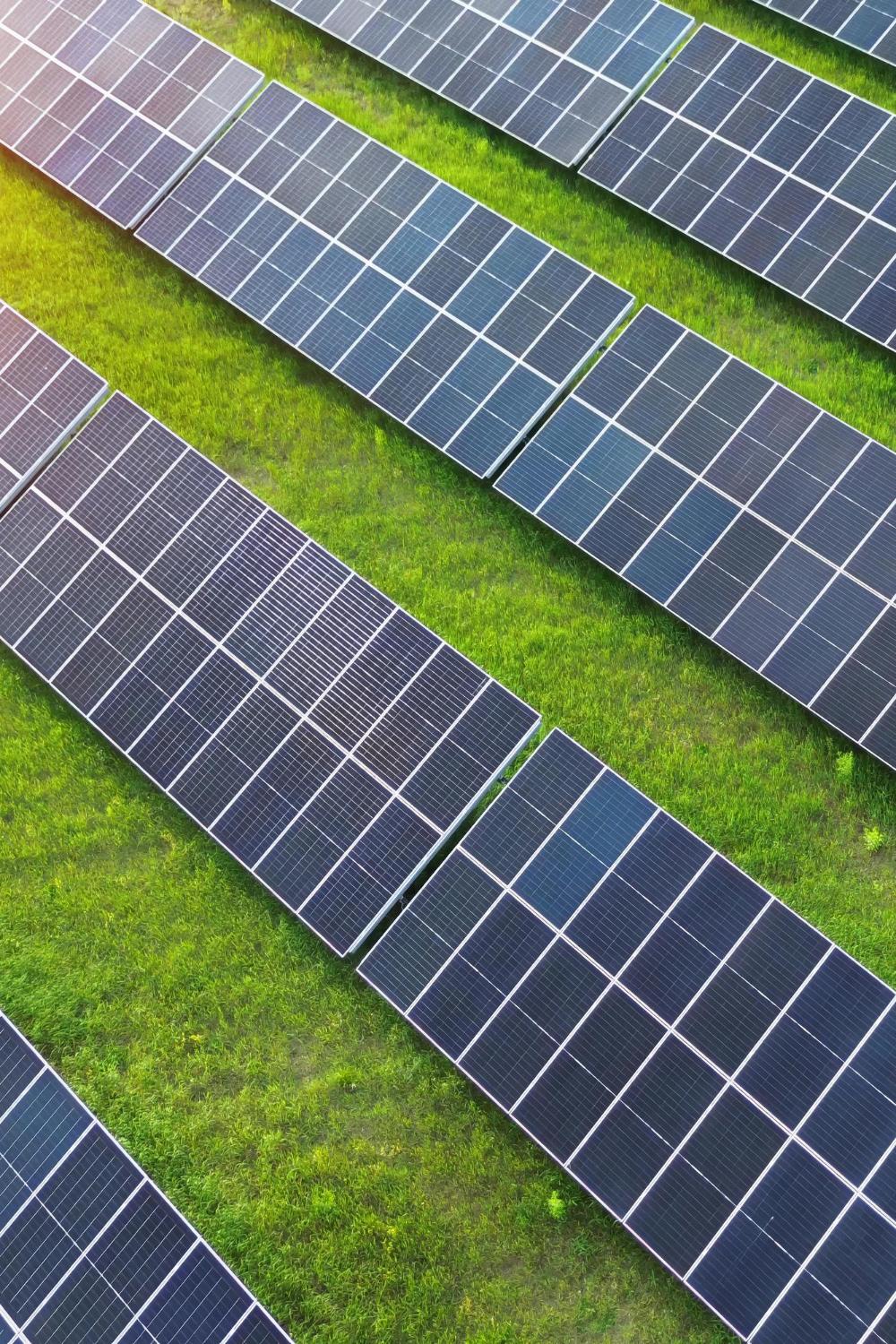
Electricity costs in Pakistan are continuously increasing, putting pressure on households across major cities. Many homeowners are now realizing that investing in solar power is not just an eco-friendly choice but also a practical way to save money in the long term. Modern residential systems like 10 kW solar in Karachi, 15 kW solar in Lahore, or even 20 kW solar in Karachi are helping families take control of their energy expenses.
By harnessing sunlight to produce electricity, homeowners can significantly reduce monthly bills, achieve energy independence, and add long-term value to their properties.
Rising Electricity Costs and the Need for Alternatives
Every year, the cost of grid electricity rises due to fuel price fluctuations, taxes, and increasing demand. These growing expenses make it difficult for families to manage household budgets. As a result, more homeowners are looking for sustainable and affordable alternatives.
A residential system like 10 kW solar in Lahore or 15 kW solar in Karachi can generate enough power to meet most household energy needs. By producing your own electricity, you avoid the impact of tariff hikes and ensure long-term energy stability.
How Solar Energy Reduces Monthly Bills
Solar panels convert sunlight into usable electricity that powers your home’s appliances and lighting. During the day, when energy production is at its peak, your home can rely entirely on solar power. Any excess energy can be exported to the grid through a process called net metering.
For example, installing 20 kW solar in Karachi or 25 kW solar in Lahore can significantly lower your monthly electricity bill. Depending on your household’s energy use and sunlight exposure, savings can reach up to 70 to 80 percent.
With solar power, homeowners are no longer dependent on expensive and unreliable grid electricity.
Understanding the Ideal System Size for Homes
The system size that suits a home depends on power consumption, available rooftop space, and budget.
A 10 kW solar in Karachi system is perfect for medium-sized homes with standard appliances, while 15 kW solar in Lahore or 20 kW solar in Karachi suits larger houses with higher consumption levels such as air conditioning, multiple refrigerators, or electric geysers.
For homes with even higher demand or future expansion plans, systems like 25 kW solar in Karachi or 25 kW solar in Lahore provide ample capacity for present and future needs.
Energy Independence and Backup Power
Power outages and voltage fluctuations are common in many parts of Pakistan. Solar power provides homeowners with energy independence and reliable backup options.
Hybrid systems combine solar panels with batteries, ensuring that essential appliances keep running during power failures. A 15 kW solar in Karachi hybrid setup can power lighting, fans, and even air conditioners during outages without relying on generators or fuel.
This independence from the grid adds convenience, comfort, and peace of mind for every household.
The Role of Net Metering in Maximizing Savings
Net metering allows homeowners to export excess solar energy back to the grid and receive credits on their electricity bills.
With 20 kW solar in Lahore or 25 kW solar in Karachi, many homes generate more power during the day than they use. This surplus energy is sent to the grid, and the credits offset nighttime or cloudy-day consumption.
This system helps achieve maximum efficiency and ensures that every unit of solar energy contributes to financial savings.
Long-Term Investment and Return on Savings
Although the initial cost of installing a solar system might seem high, the long-term financial benefits make it a smart investment. The payback period for residential systems like 10 kW solar in Lahore or 15 kW solar in Karachi is typically between four to five years.
After the payback period, the electricity produced is virtually free for the next 15 to 20 years. Homeowners can save hundreds of thousands of rupees annually, making solar power one of the most rewarding investments available today.
Environmental Benefits and a Cleaner Future
Besides the financial savings, solar energy contributes to a cleaner environment. Each 10 kW solar in Karachi or 20 kW solar in Lahore system reduces the reliance on fossil fuels and decreases carbon emissions.
As Pakistan continues to face the challenges of climate change, every household that installs solar power plays a role in creating a greener, more sustainable future. This commitment to clean energy not only benefits the environment but also sets a positive example for the community.
Enhancing Property Value with Solar Installation
Homes equipped with solar power systems have higher property values compared to those that rely solely on grid electricity. Buyers are increasingly attracted to properties that promise low operating costs and modern energy solutions.
A 25 kW solar in Lahore or 15 kW solar in Karachi installation enhances a property’s market appeal, making it a valuable long-term asset for homeowners.
Government Support and Incentives
Pakistan’s renewable energy policies encourage homeowners to adopt solar power through net metering and import duty reductions on solar equipment. These policies make systems like 10 kW solar in Lahore or 20 kW solar in Karachi more affordable and accessible.
With financing options and bank-supported solar loans, homeowners can easily switch to solar without financial strain, allowing more families to benefit from clean energy solutions.
Maintenance and System Longevity
One of the best things about solar systems is that they require very little maintenance. Occasional cleaning and annual inspections are enough to keep your system performing efficiently.
High-quality installations such as 25 kW solar in Karachi or 20 kW solar in Lahore can last for over 25 years, offering consistent performance and long-term reliability. Investing in premium solar panels ensures durability, energy efficiency, and the best possible return on investment.
The Future of Residential Solar in Pakistan
Solar power adoption among homeowners in Pakistan is growing rapidly. With falling panel prices, increased awareness, and supportive policies, the trend toward renewable energy is accelerating.
In cities like Karachi and Lahore, demand for 10 kW solar, 15 kW solar, and 25 kW solar systems is increasing as more families recognize the benefits of energy independence, lower bills, and sustainability.
The future of residential solar is bright, promising both financial savings and environmental responsibility.
Conclusion
Switching to solar power is one of the smartest financial and environmental decisions a homeowner can make. By installing systems like 10 kW solar in Lahore, 15 kW solar in Karachi, or 20 kW solar in Karachi, households can significantly reduce electricity bills, ensure energy stability, and contribute to a cleaner Pakistan.
Solar power transforms homes into self-sufficient energy producers, providing long-term savings and peace of mind. With the combination of cost reduction, net metering benefits, and minimal maintenance, solar energy offers an opportunity for every homeowner to save big while supporting a sustainable future.