
Introduction
Pakistan’s industrial and commercial sectors are facing increasing challenges related to energy costs, power shortages, and sustainability demands. Large warehouses and factories, which consume significant amounts of electricity daily, are searching for reliable and cost-effective power alternatives. The most promising solution today is solar for industry and solar for factory systems.
Across major cities like Karachi and Lahore, businesses are adopting large-scale systems such as 50 kW solar in Karachi & Lahore, 100 kW solar in Karachi & Lahore, and even 1 MW solar for industry. These installations help factories and warehouses reduce energy expenses, ensure uninterrupted operations, and meet sustainability goals.
The Growing Energy Demand in Industrial Facilities
Industrial and commercial warehouses operate around the clock, relying on heavy machinery, lighting, and cooling systems. This high energy demand puts pressure on the national grid and increases electricity expenses.
Frequent load shedding and rising tariffs further worsen the situation, forcing many businesses to depend on diesel generators. However, generators are expensive to run and maintain. To address these problems, companies are increasingly switching to industrial solar power systems that provide clean, affordable, and uninterrupted electricity.
Why Solar Energy is Ideal for Large Warehouses and Factories
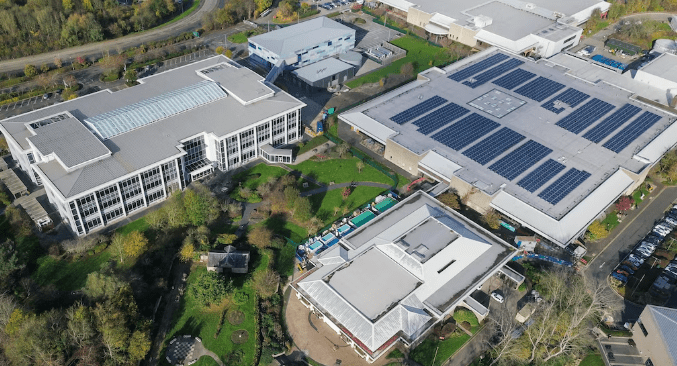
Warehouses and factories often have vast rooftop spaces that make them perfect for solar panel installations. This unused area can generate enough electricity to meet a large portion of their daily energy needs.
Systems such as 25 kW solar in Karachi, 50 kW solar in Lahore, or 100 kW solar in Karachi & Lahore can power machinery, lighting, and other essential operations efficiently. For even larger facilities, 1 MW solar for industry offers an energy solution that ensures smooth production without dependency on grid power or fuel generators.
Reducing Operating Costs Through Solar Power
One of the main reasons large facilities are adopting solar energy is the significant cost savings. Electricity bills represent a major portion of industrial expenses. Solar power reduces these costs by generating free electricity from sunlight.
A 50 kW solar in Karachi & Lahore system can help reduce monthly energy bills by up to 70 percent. Larger units using 100 kW solar in Lahore or 1 MW solar for industry can achieve even greater savings. Over time, these savings contribute directly to improved profit margins and financial stability.
Energy Independence and Stability
Energy independence is critical for business continuity. Solar installations provide warehouses and factories with their own power source, reducing reliance on the unstable national grid.
A factory equipped with industrial solar panels like 100 kW solar in Karachi & Lahore can maintain operations even during power outages. Hybrid systems with battery backup ensure uninterrupted energy supply, which is especially beneficial for continuous production lines and cold storage units.
Sustainability and Environmental Impact
As global awareness about climate change grows, businesses are under pressure to reduce their carbon footprint. Solar energy is one of the cleanest and most sustainable power sources available.
By investing in solar for factory or solar for industry, companies can cut their greenhouse gas emissions and demonstrate a commitment to environmental responsibility. For instance, a 100 kW solar in Lahore system can offset several tons of carbon dioxide annually, contributing to a cleaner and healthier environment.
Enhancing Corporate Image and Competitiveness
Today’s customers, investors, and international partners are increasingly choosing to work with environmentally responsible companies. Adopting solar energy sends a strong message about a company’s values and forward-thinking approach.
Factories with 50 kW solar in Karachi & Lahore or 1 MW solar for industry not only reduce costs but also strengthen their brand image. Sustainable practices can help attract new clients, increase market trust, and open opportunities for international partnerships.
Role of Net Metering in Business Savings
Net metering has made solar adoption even more attractive for large facilities. Through this policy, companies can export surplus electricity back to the grid and receive credits on their utility bills.
A 25 kW solar in Lahore or 50 kW solar in Karachi & Lahore installation can generate more power than required during peak sunlight hours. This extra energy offsets consumption during low production periods or nighttime, further lowering energy costs and improving the overall return on investment.
Return on Investment and Long-Term Benefits
The payback period for commercial solar systems is relatively short. Most setups recover their installation costs within four to five years. After this period, the electricity generated is virtually free.
For instance, a 100 kW solar in Karachi & Lahore system can save millions of rupees over its lifetime. Large-scale projects such as 1 MW solar for industry bring even higher returns, allowing businesses to reinvest their savings into innovation, expansion, and technology upgrades.
Government Support and Incentives
The government of Pakistan supports renewable energy development through net metering, import duty reductions, and financing programs. These initiatives make commercial solar installation in Pakistan more accessible for industrial and commercial users.
With policies encouraging clean energy, factories installing 50 kW solar in Lahore, 100 kW solar in Karachi & Lahore, or 1 MW solar for industry can benefit from faster financial returns while contributing to national sustainability goals.
Improved Equipment Lifespan and Operational Efficiency
Solar energy provides a stable voltage supply, protecting industrial equipment from the damaging effects of power fluctuations. This helps extend the lifespan of machinery and reduces maintenance costs.
Warehouses using industrial solar systems like 50 kW solar in Karachi & Lahore experience smoother operations, reduced wear and tear, and more efficient energy management. These advantages combine to create a reliable and cost-effective power ecosystem for long-term industrial success.
The Future of Solar Energy for Large Facilities
The adoption of solar energy among warehouses and factories is growing rapidly in Pakistan. Falling equipment costs, improved solar technology, and increased awareness of environmental issues are driving this transformation.
In Karachi and Lahore, more companies are investing in 100 kW solar in Lahore, 50 kW solar in Karachi & Lahore, and 1 MW solar for industry systems. These projects not only provide immediate savings but also ensure long-term sustainability, helping businesses future-proof their operations.
Conclusion
Solar energy has become a necessity for large warehouses and factories in Pakistan. It provides clean, reliable, and affordable electricity, reducing dependency on the grid and protecting businesses from rising energy costs.
Whether it is a 50 kW solar in Karachi & Lahore, a 100 kW solar in Lahore, or a 1 MW solar for industry, solar systems offer unmatched benefits in cost savings, energy independence, and sustainability.
By investing in solar power, businesses not only improve their financial performance but also contribute to a greener, more resilient future for Pakistan’s industrial sector.