Introduction
As energy costs continue to rise and environmental challenges become more urgent, businesses across Pakistan are looking for reliable ways to become more sustainable. One of the most effective and long-term solutions is commercial solar installation in Pakistan.
From small enterprises to large industrial facilities, solar power offers a clean and cost-effective way to reduce electricity expenses, lower carbon emissions, and ensure energy independence. Companies installing 10 kW solar in Karachi, 20 kW solar in Lahore, or large-scale setups like 100 kW solar in Karachi & Lahore are leading the shift toward sustainable business operations.
What Is Business Sustainability
Business sustainability means operating in a way that meets current needs without compromising the ability of future generations to meet theirs. It involves managing resources efficiently, minimizing waste, and adopting clean technologies.
In Pakistan, adopting industrial solar and solar for factory systems helps businesses achieve sustainability goals by cutting dependence on fossil fuels and reducing operational costs. This approach also enhances brand reputation, as customers and partners prefer working with eco-friendly companies.
How Commercial Solar Installations Work
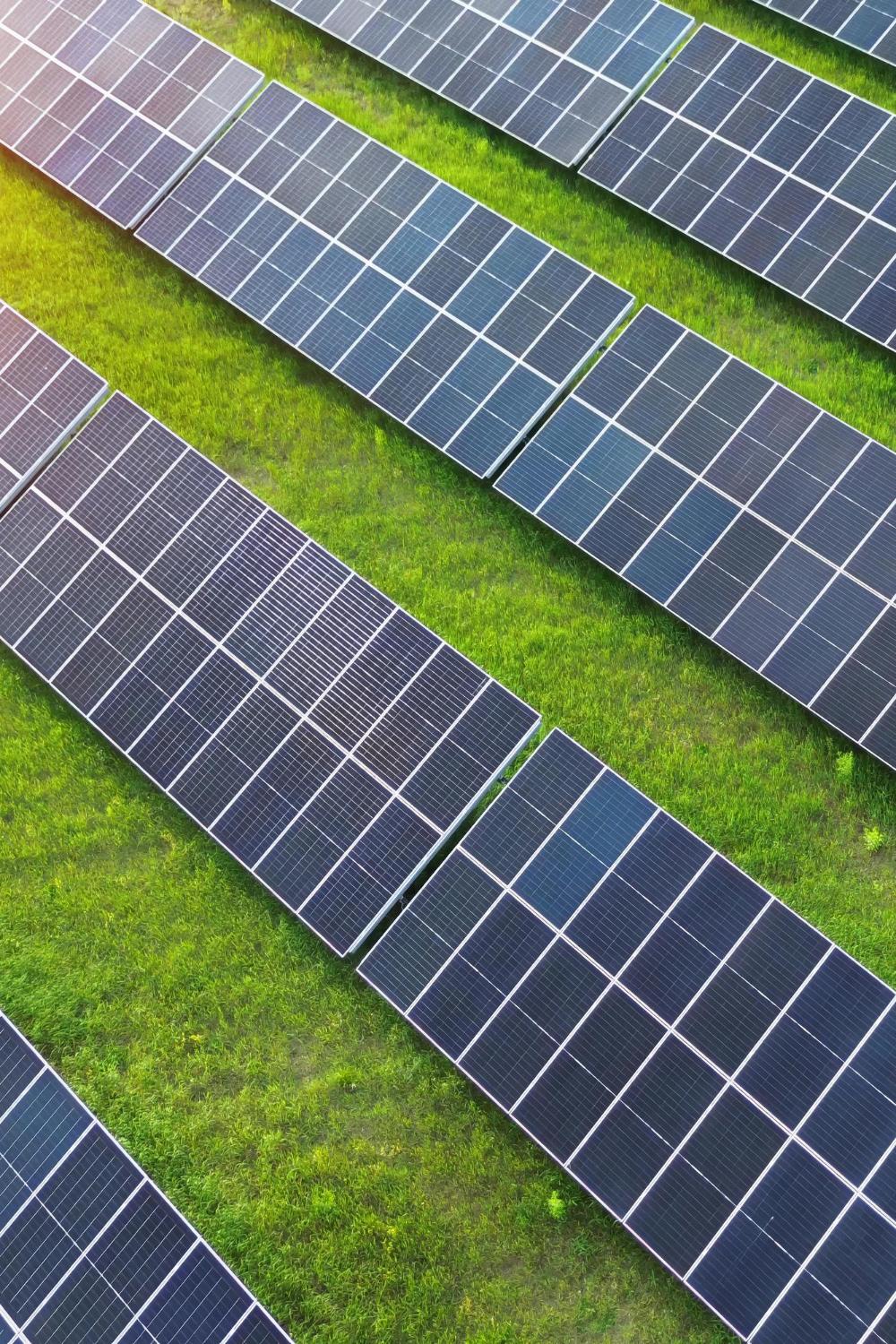
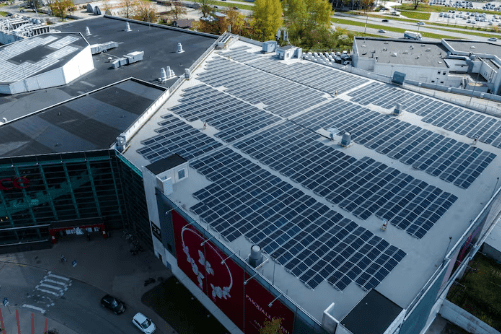
A commercial solar installation includes solar panels, inverters, and sometimes battery storage. These systems capture sunlight and convert it into electricity that powers offices, showrooms, or factories.
Businesses in major cities are now investing in larger setups such as 25 kW solar in Karachi, 50 kW solar in Karachi & Lahore, and 1 MW solar for industry to meet their energy demands. These systems not only provide free power during the day but also integrate with the grid through net metering to export excess energy, enhancing financial and environmental sustainability.
Reducing Energy Costs Through Solar Power
Electricity is one of the biggest operational expenses for any business. High grid tariffs and unstable power supply make it difficult for companies to manage costs effectively.
With commercial solar installation in Pakistan, businesses can generate their own power, significantly lowering their monthly bills. For instance, a 20 kW solar in Lahore system can cover the energy needs of a medium-sized office, while a 100 kW solar in Karachi & Lahore installation can power larger facilities or industrial units.
This long-term cost reduction allows businesses to reinvest their savings into growth and innovation, improving their competitiveness in the market.
Reliable Power Supply for Continuous Operations
Unplanned power outages and voltage fluctuations disrupt productivity and damage sensitive equipment. Solar systems help solve these problems by providing a stable and continuous power source.
Factories that install industrial solar systems like 50 kW solar in Karachi & Lahore or 1 MW solar for industry can keep operations running even during load shedding. Reliable power ensures smooth production processes, meeting deadlines, and maintaining product quality without interruptions.
Environmental Benefits of Solar Energy
Sustainability is not only about saving money but also about protecting the environment. By switching to solar for industry or solar for factory, businesses play a direct role in reducing carbon emissions and air pollution.
Each commercial solar installation in Pakistan replaces energy produced from fossil fuels with clean, renewable power. A 100 kW solar in Lahore system can offset several tons of carbon dioxide each year, helping businesses minimize their environmental impact while supporting global sustainability goals.
Enhancing Corporate Reputation and Brand Value
Modern customers and investors care about sustainability. Companies that adopt clean energy are viewed as responsible, innovative, and forward-thinking.
When a business installs 25 kW solar in Lahore or 50 kW solar in Karachi & Lahore, it demonstrates commitment to sustainability and corporate responsibility. This not only strengthens its brand image but also attracts eco-conscious customers, international partners, and investors who value green business practices.
Government Incentives for Solar Adoption
The government of Pakistan has introduced supportive policies to promote renewable energy adoption. Through net metering and reduced import duties on solar equipment, the cost of setting up systems like 10 kW solar in Karachi or 100 kW solar in Lahore has become more affordable.
These policies allow businesses to export extra electricity to the grid and earn credits, further reducing their energy expenses. With these incentives, commercial solar installation in Pakistan has become a smart and profitable investment for businesses of all sizes.
Contribution to Long-Term Energy Independence
Pakistan’s growing population and expanding industries have increased the demand for electricity. Relying only on the national grid is no longer sustainable. Solar power offers a solution that gives businesses control over their energy generation.
Large installations like 1 MW solar for industry or 100 kW solar in Karachi & Lahore make companies self-sufficient, ensuring they are less affected by power shortages and tariff hikes. Energy independence also provides long-term stability and security, which are vital for business continuity.
Financial Returns and Payback Period
Commercial solar systems deliver an impressive return on investment. The initial setup cost is quickly recovered through energy savings. For example, a 50 kW solar in Karachi & Lahore system usually pays for itself within four to five years.
After this period, the electricity generated is practically free, allowing businesses to save money for 20 years or more. The return on investment becomes even higher with larger systems like 100 kW solar in Lahore or 1 MW solar for industry, especially when combined with net metering.
Supporting Industrial Growth with Sustainable Power
Pakistan’s industrial sector is one of the country’s biggest energy consumers. By adopting industrial solar systems, factories can reduce their operating costs and make production more sustainable.
A textile or manufacturing facility using 100 kW solar in Karachi & Lahore can continue operations without relying on expensive fuel-based generators. Similarly, a 1 MW solar for industry setup can power large-scale units while cutting carbon emissions and long-term costs.
The Future of Commercial Solar Energy in Pakistan
The adoption of solar power among businesses in Pakistan is growing rapidly. Falling equipment costs, improved technology, and increased awareness are encouraging more companies to go solar.
Cities like Karachi and Lahore are leading the change with large-scale installations such as 25 kW solar in Lahore, 50 kW solar in Karachi & Lahore, and 100 kW solar in Karachi & Lahore. These examples show that solar energy is no longer just an option but a necessity for sustainable growth in Pakistan’s business landscape.
Conclusion
Sustainability and profitability can go hand in hand when businesses choose solar energy. A commercial solar installation in Pakistan reduces operating costs, ensures power reliability, and enhances a company’s environmental and social responsibility.
From 10 kW solar in Karachi for small businesses to 1 MW solar for industry for large factories, solar energy provides a clean, reliable, and cost-effective power source.
By investing in solar power today, businesses secure a brighter, greener, and more sustainable future for tomorrow.